



For many homeowners, a house is the largest investment they will ever make. While renovations such as kitchen remodels and bathroom upgrades often receive the most attention, insulation is one improvement that can deliver long-term financial benefits while helping preserve a property’s value.
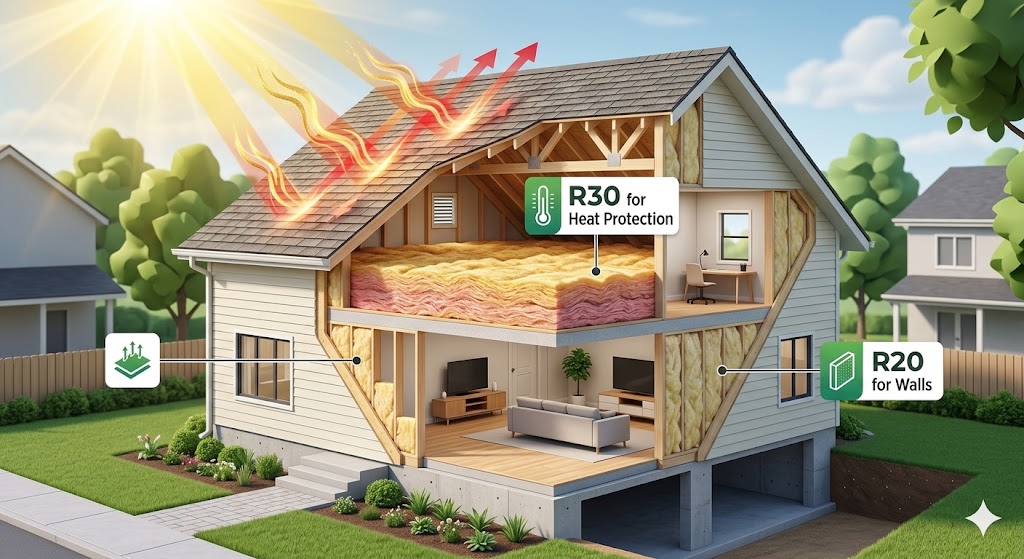
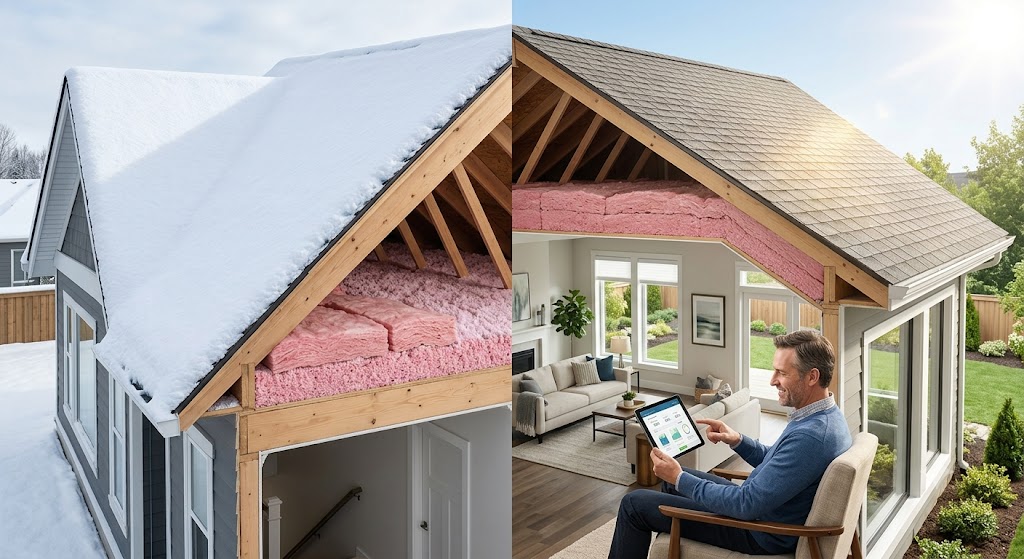
Insulation helps regulate indoor temperatures by slowing the transfer of heat between the inside and outside of a home. During colder months, it helps keep warm air indoors. During warmer months, it helps prevent excess heat from entering. This simple function can have a significant impact on both comfort and energy costs.
Lower Utility Bills Over Time
One of the biggest advantages of proper insulation is improved energy efficiency. Heating and cooling systems account for a large share of household energy use. When a home lacks adequate insulation, conditioned air can escape through walls, attics, floors, and other areas, forcing HVAC systems to work harder than necessary.
By improving insulation, homeowners can reduce energy waste and lower monthly utility bills. Over the course of several years, those savings can add up and help offset the cost of installation, making insulation one of the more practical home improvements from a financial standpoint.
Increased Property Appeal
Today’s homebuyers often pay close attention to energy efficiency. Rising utility costs have made buyers more aware of the long-term expenses associated with homeownership, and many are willing to pay a premium for properties that offer lower operating costs.
A well-insulated home can be a selling point because it suggests lower energy bills, improved comfort, and a property that has been properly maintained. While insulation may not be visible during a showing, its benefits can influence purchasing decisions.
Better Comfort Year-Round
The value of insulation extends beyond financial savings. Homes with inadequate insulation frequently experience temperature fluctuations, drafts, and rooms that feel noticeably warmer or cooler than others.
Proper insulation helps create a more consistent indoor environment throughout the year. This can make living spaces more comfortable while reducing the strain on heating and cooling equipment.
Helping Protect the Home Itself
Insulation can also contribute to the long-term health of a property. In certain situations, proper insulation helps reduce moisture buildup that may contribute to mold growth or damage building materials over time.
Addressing these issues before they become serious problems can help homeowners avoid costly repairs and preserve the condition of the property.
A Long-Term Investment in Your Home
Many home improvement projects focus on appearance, but insulation focuses on performance. It works behind the scenes every day to improve energy efficiency, reduce utility costs, and support a more comfortable living environment.
Whether you plan to stay in your home for many years or eventually sell it, insulation is an upgrade that can deliver lasting value. Just as visitors to the National Western Stock Show appreciate the importance of investing in assets that provide long-term returns, homeowners can benefit from investing in improvements that strengthen the performance and value of their property over time.